
JUAN MIGUEL PALACIOS
Always in pursuit of change
SKINS-II
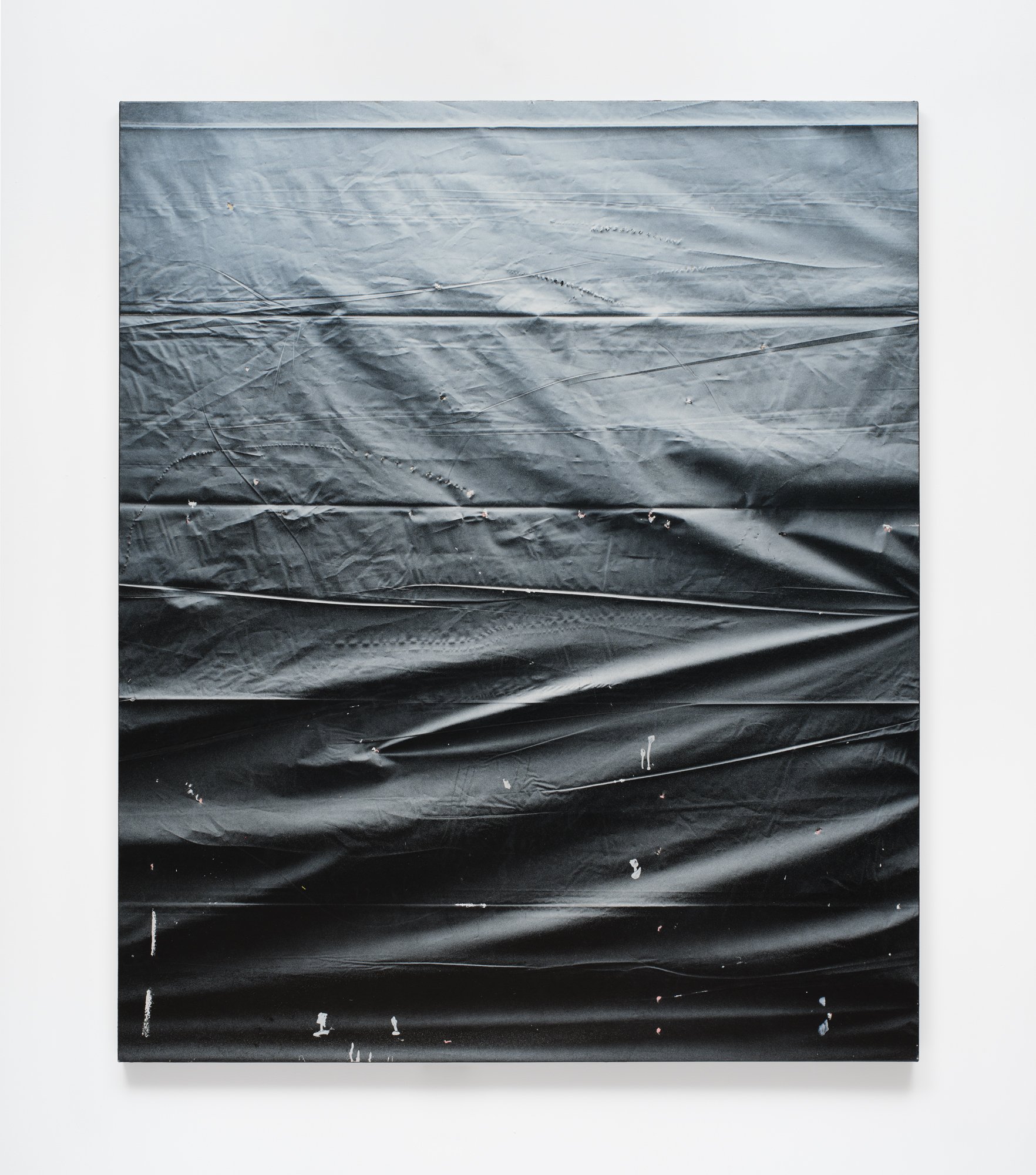
Skin XXV
Acrylic paint and spray on Linen
183 x 153 cm / 72 x 60 inches
My current practice focuses on creating layers or “skins” of acrylic paint on temporary surfaces that are later transferred and adhered to a final support. While each body of work employs different processes and results in distinct formal languages, they are united by a common premise: to treat paint not as a vehicle for representation, but as an autonomous material whose surface retains the physical memory of the actions, time, and conditions that brought it into being.
The conceptual content of these works is closely tied to their own execution. The process begins by painting on large nonporous surfaces, mostly plastic, which I previously deform, stretch, or wrinkle, exploring their own limits as a material. After applying thick layers of acrylic paint onto these surfaces I peel off the resulting films and transfer them onto the canvas, preserving the tensions, folds, and deformations generated during the earlier process while maintaining the flatness of the painted surface.
Scroll down to read the full artist statement for Skins II.
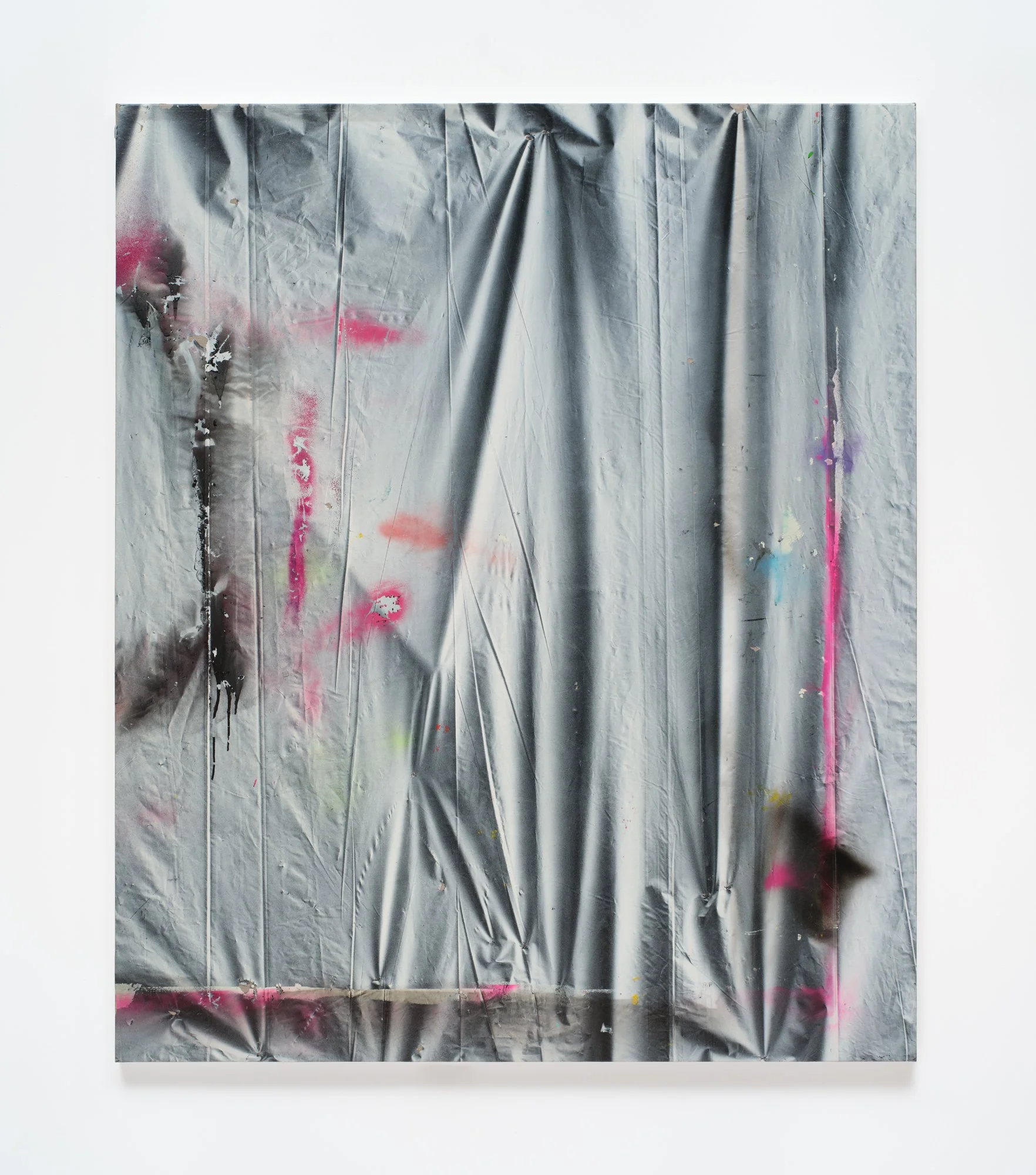
Skin L
Acrylic paint and spray on Linen
183 x 153 cm / 72 x 60 inches
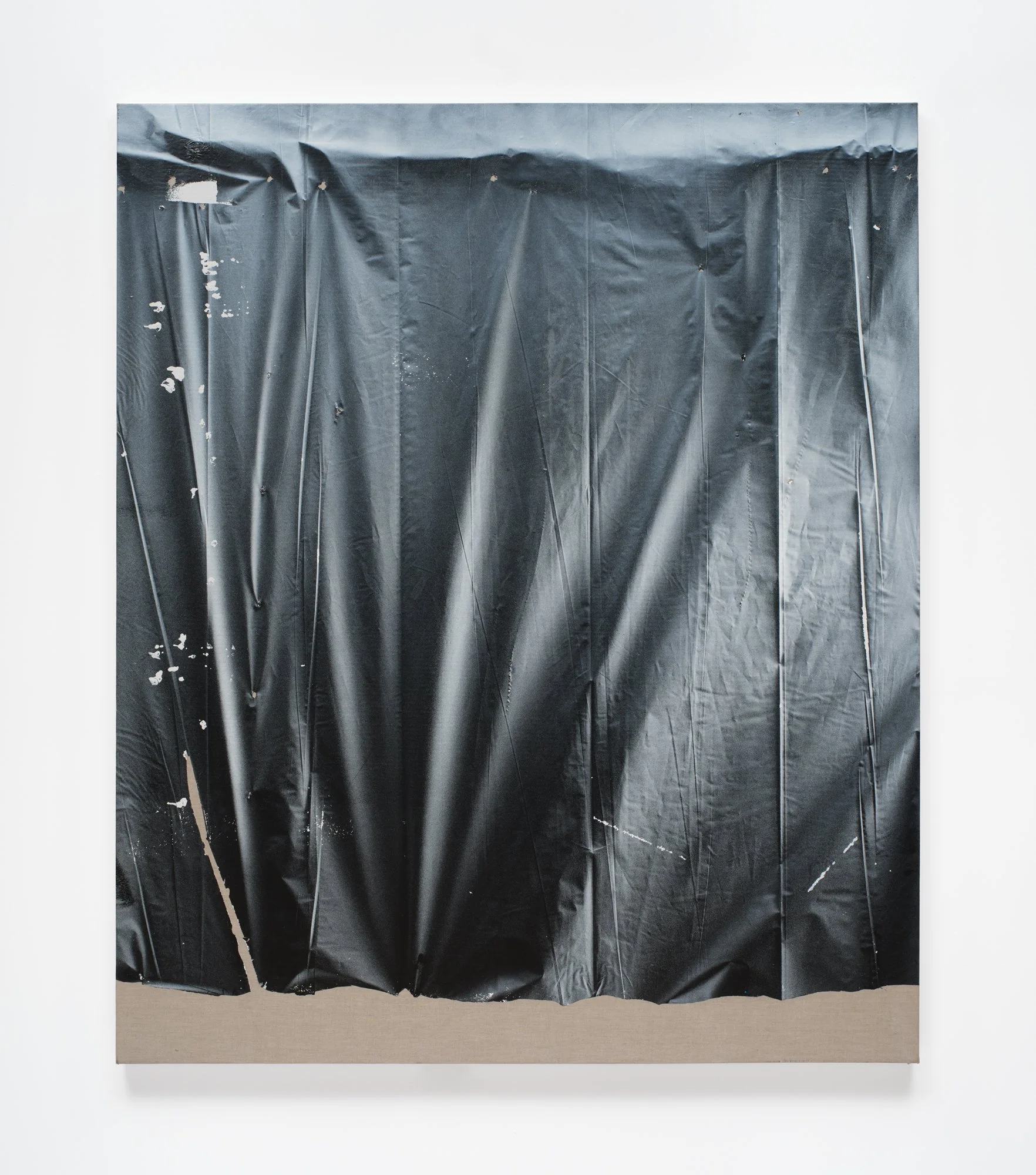
Skin XXVI
Acrylic paint and spray on Linen
183 x 153 cm / 72 x 60 inches
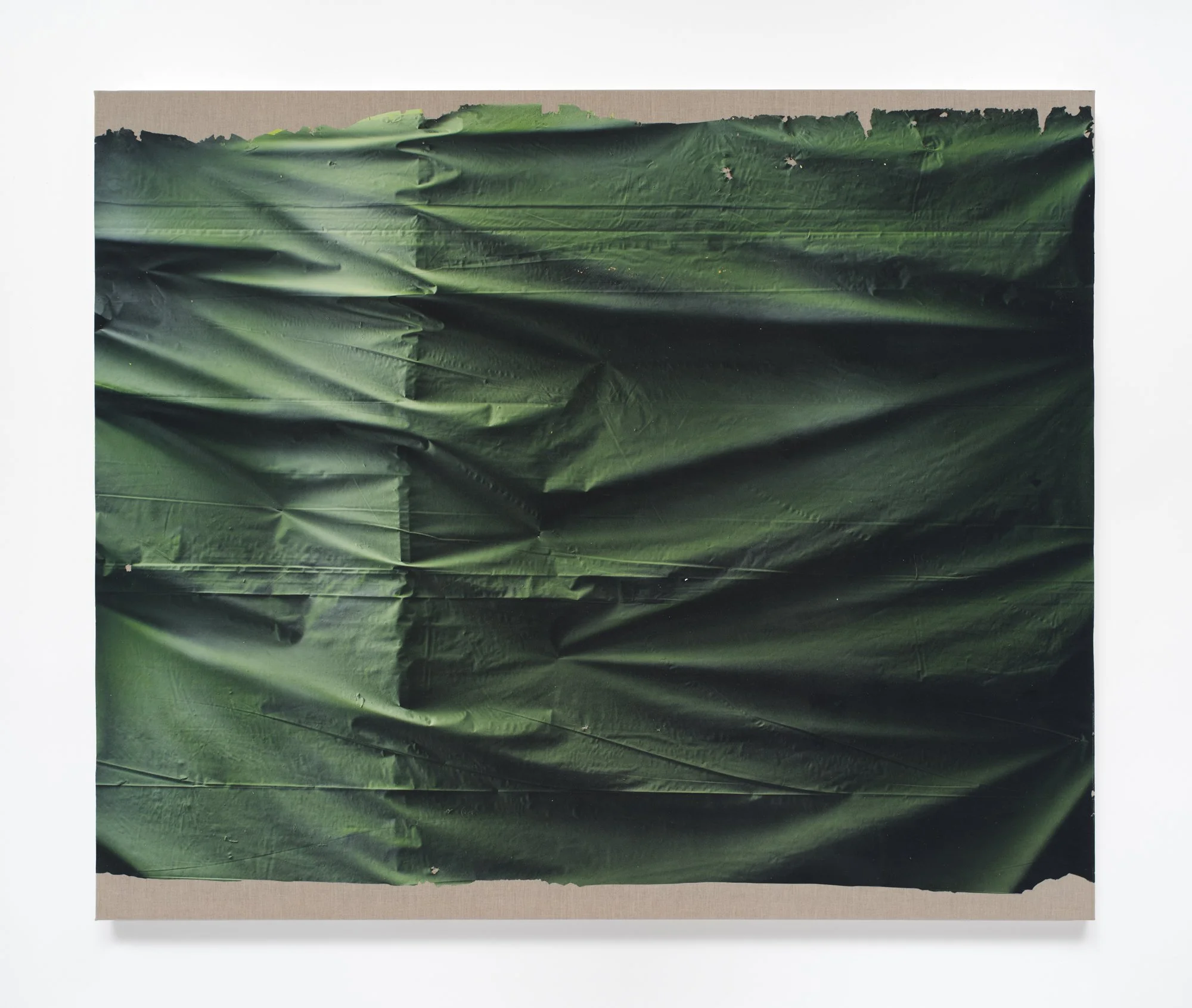
Skin XXVIII
Acrylic paint and spray on Linen
183 x 153 cm / 72 x 60 inches
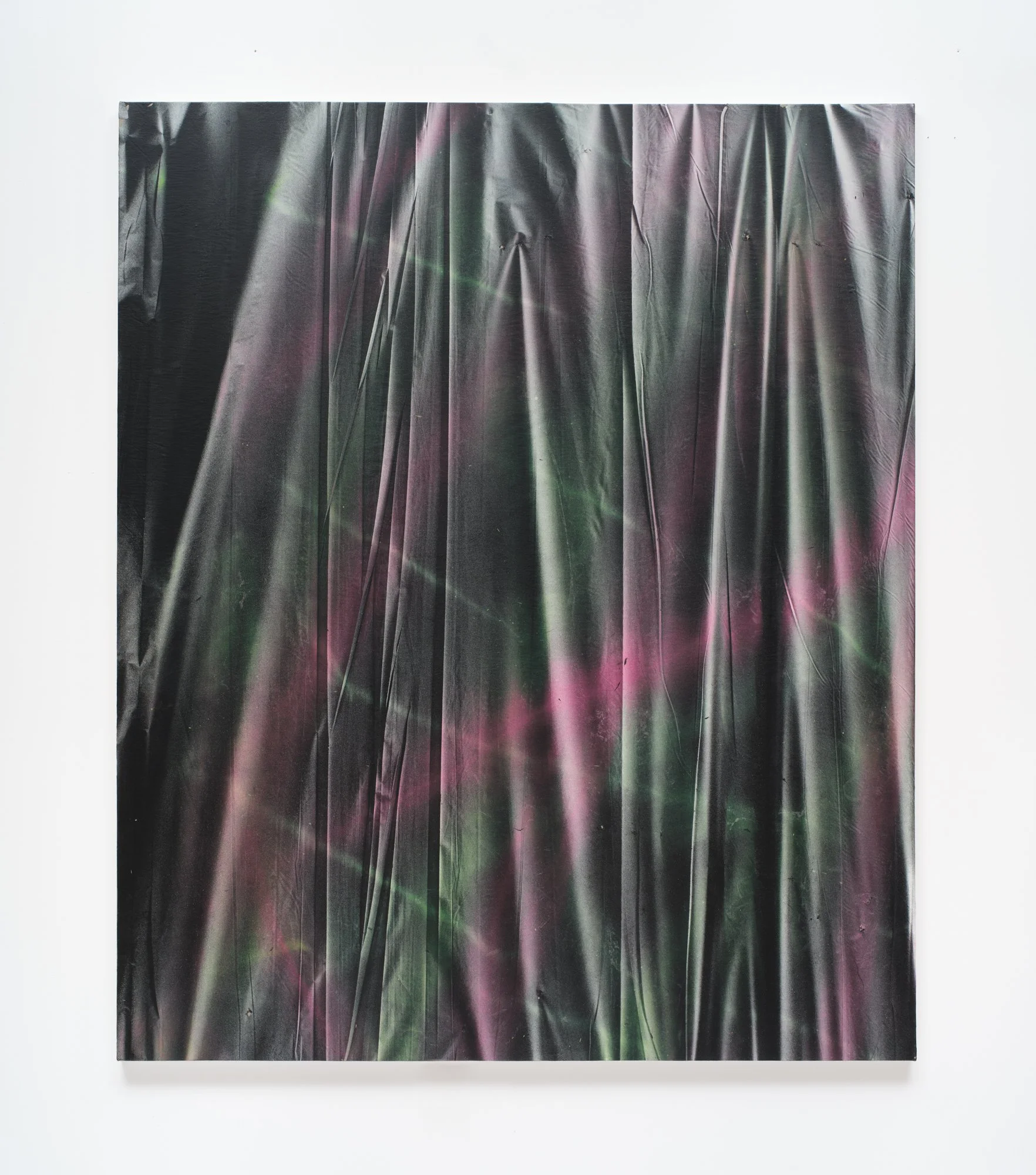
Skin XXIV
Acrylic paint and spray on Linen
183 x 153 cm / 72 x 60 inches
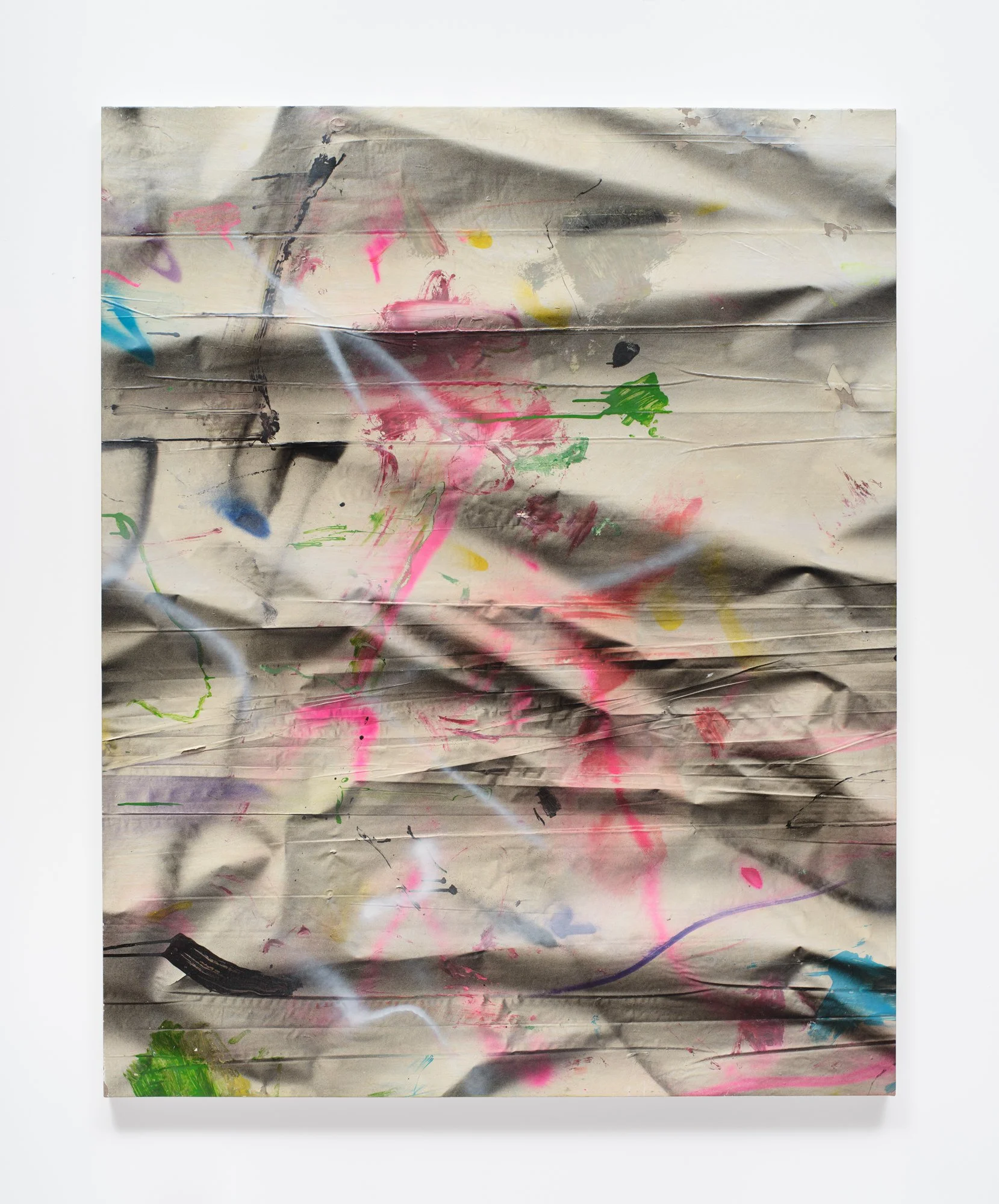
Skin XLVI
Acrylic paint, oil and spray on Linen
153 x 122 cm / 60 x 48 inches
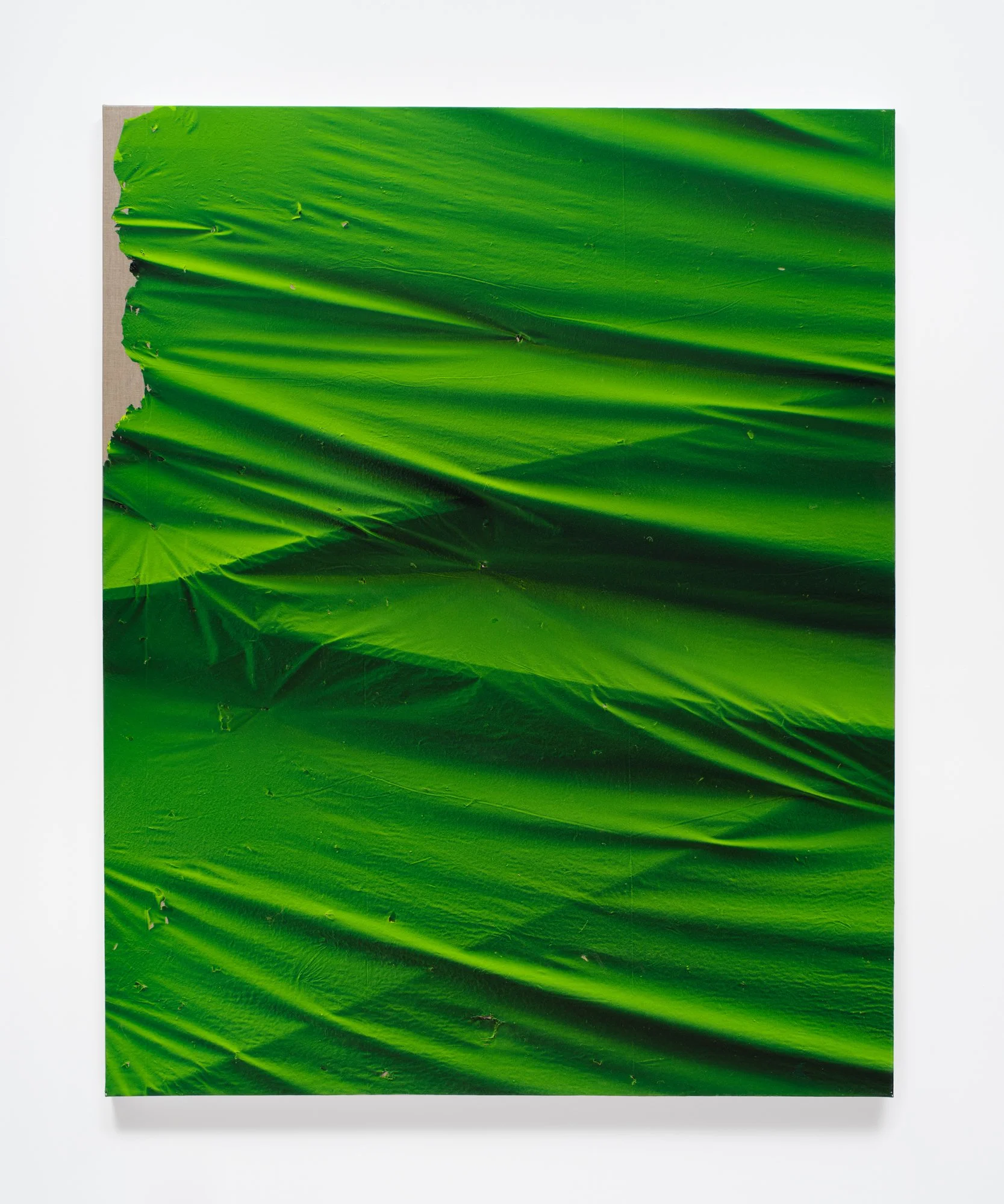
Skin LI
Acrylic paint, oil and spray on Linen
153 x 122 cm / 60 x 48 inches
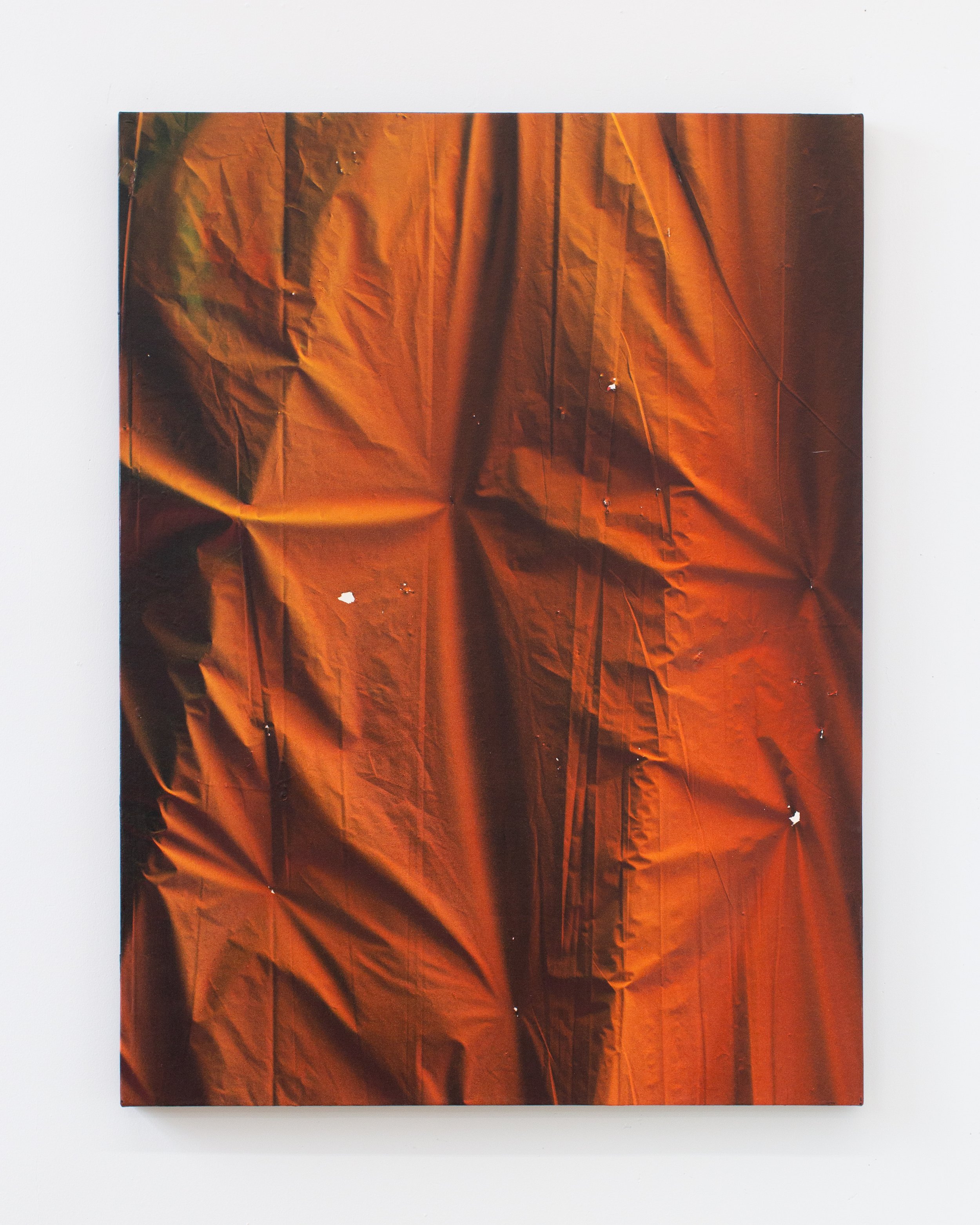
Skin LII
Acrylic paint, oil and spray on Linen
122 x 91.5 cm / 48 x 36 inches
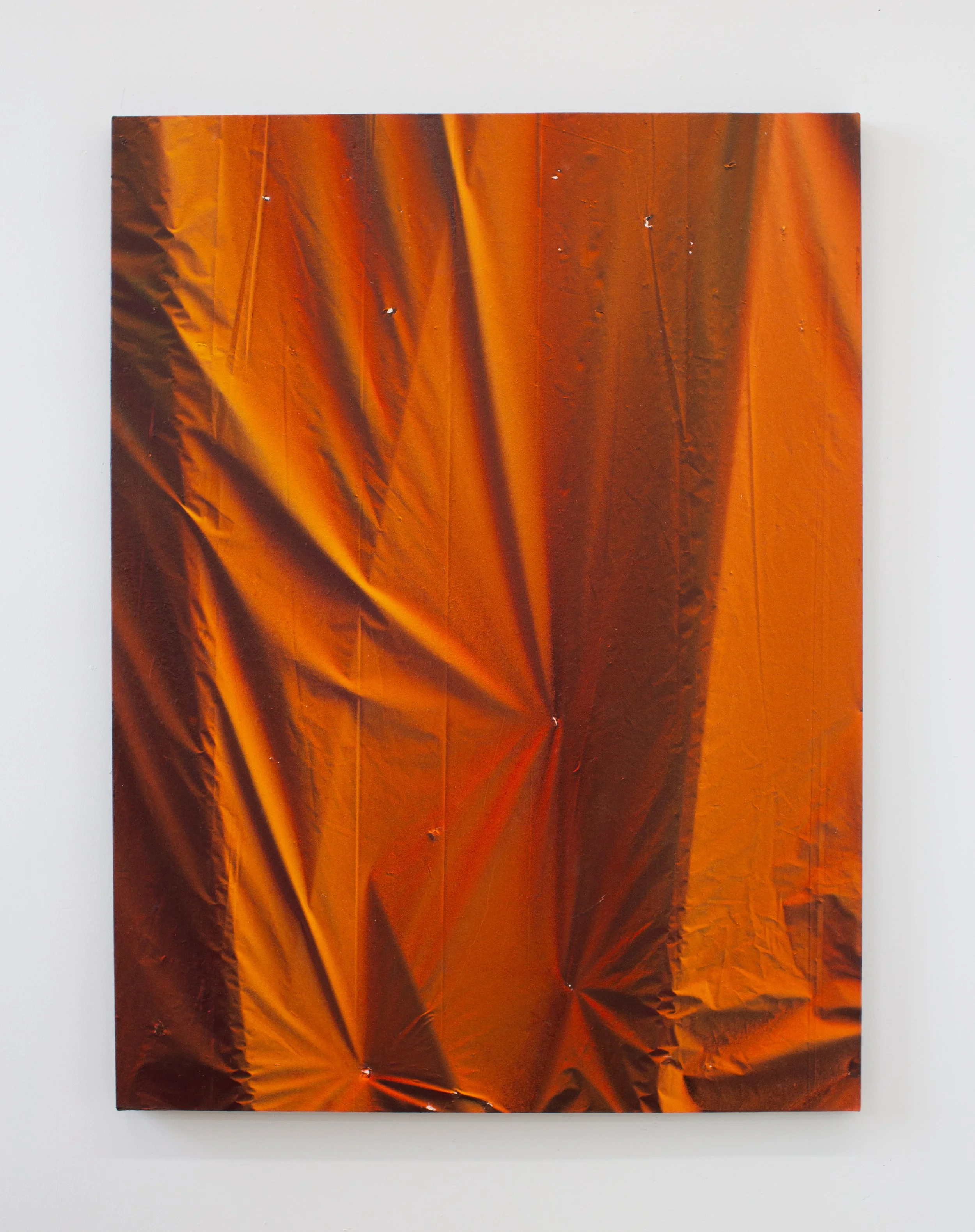
Skin LII
Acrylic paint, oil and spray on Linen
122 x 91.5 cm / 48 x 36 inches
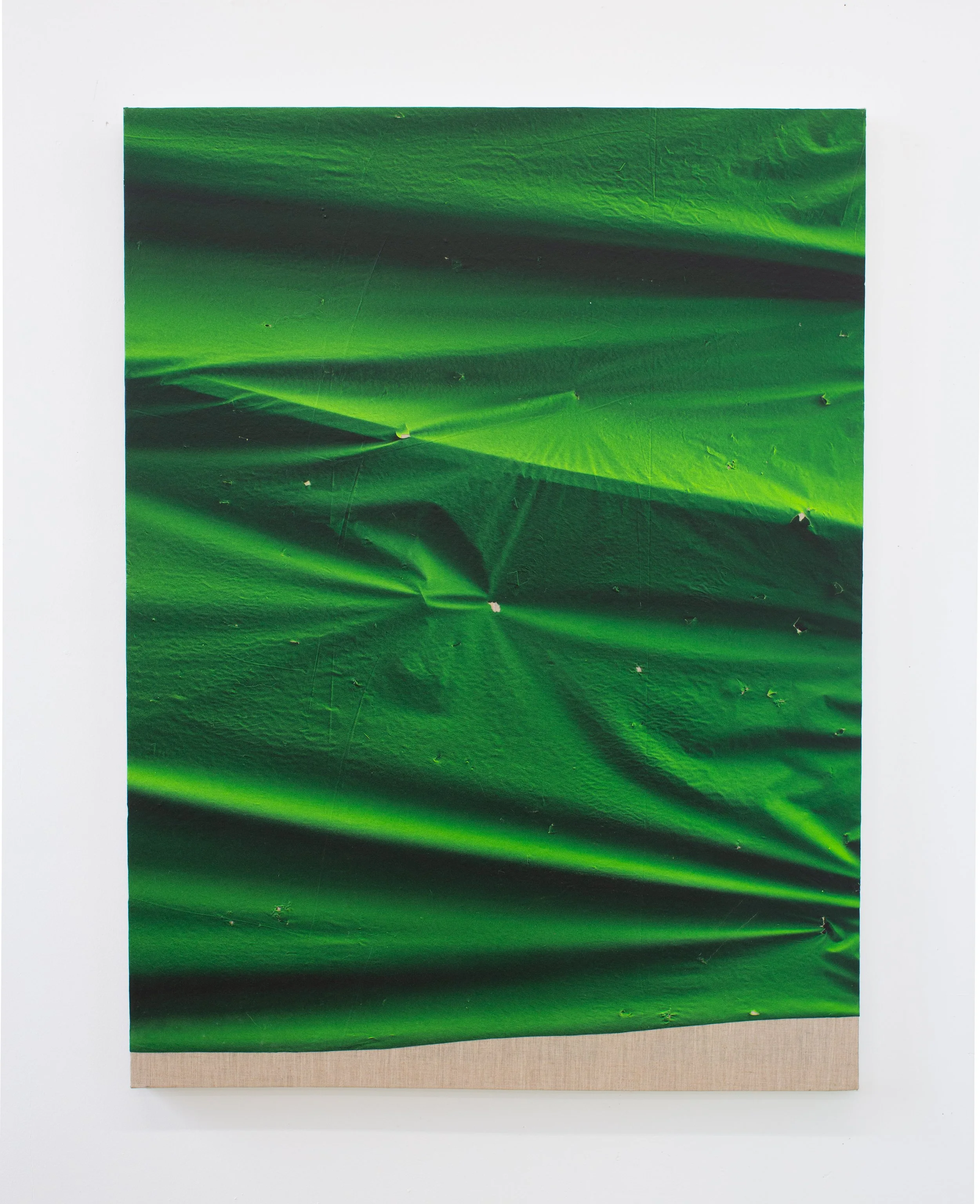
Skin LIII
Acrylic paint, oil and spray on Linen
122 x 91.5 cm / 48 x 36 inches
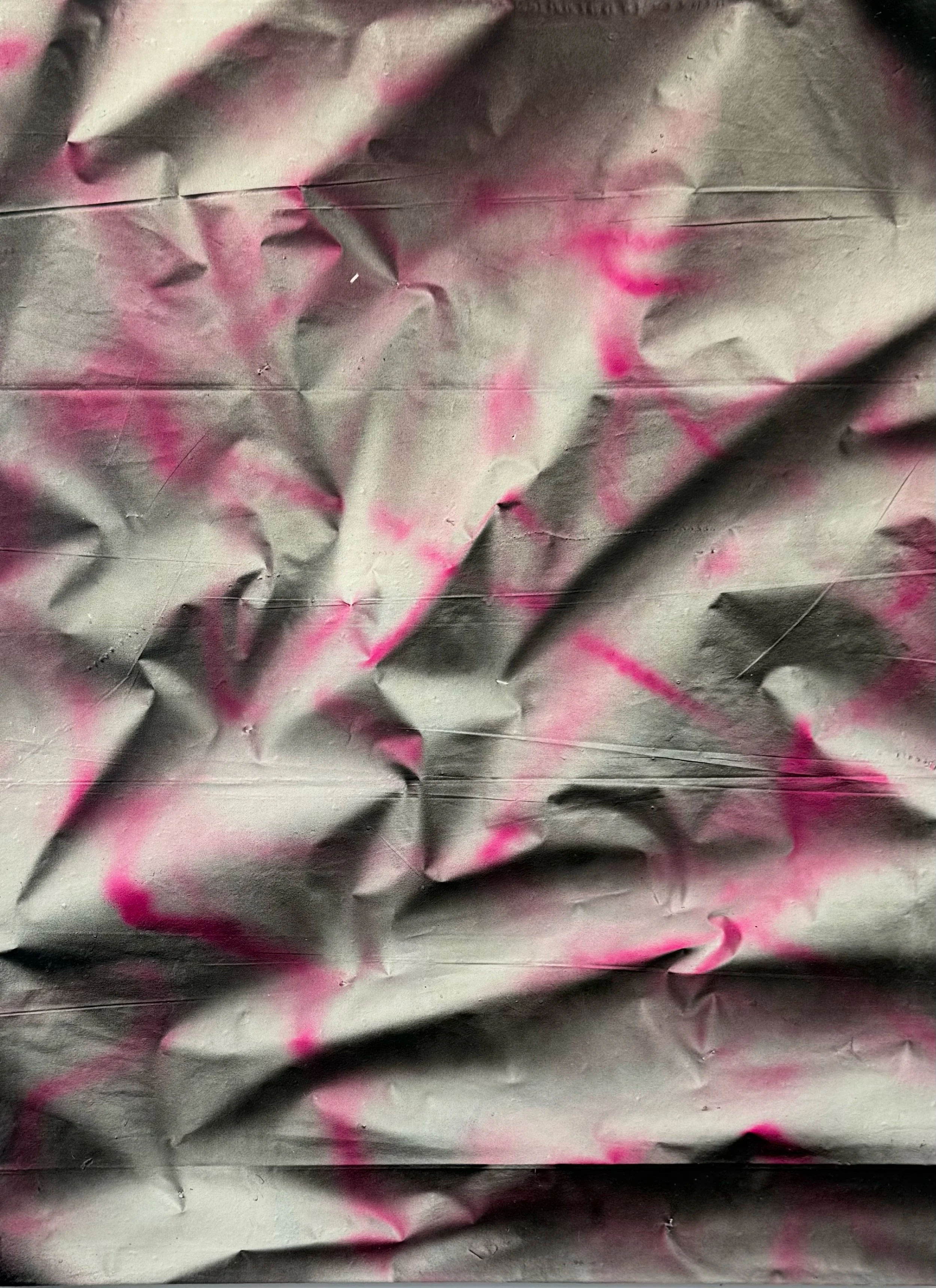
Skin XLVII
Acrylic paint, oil and spray on Linen
122 x 91.5 cm / 48 x 36 inches
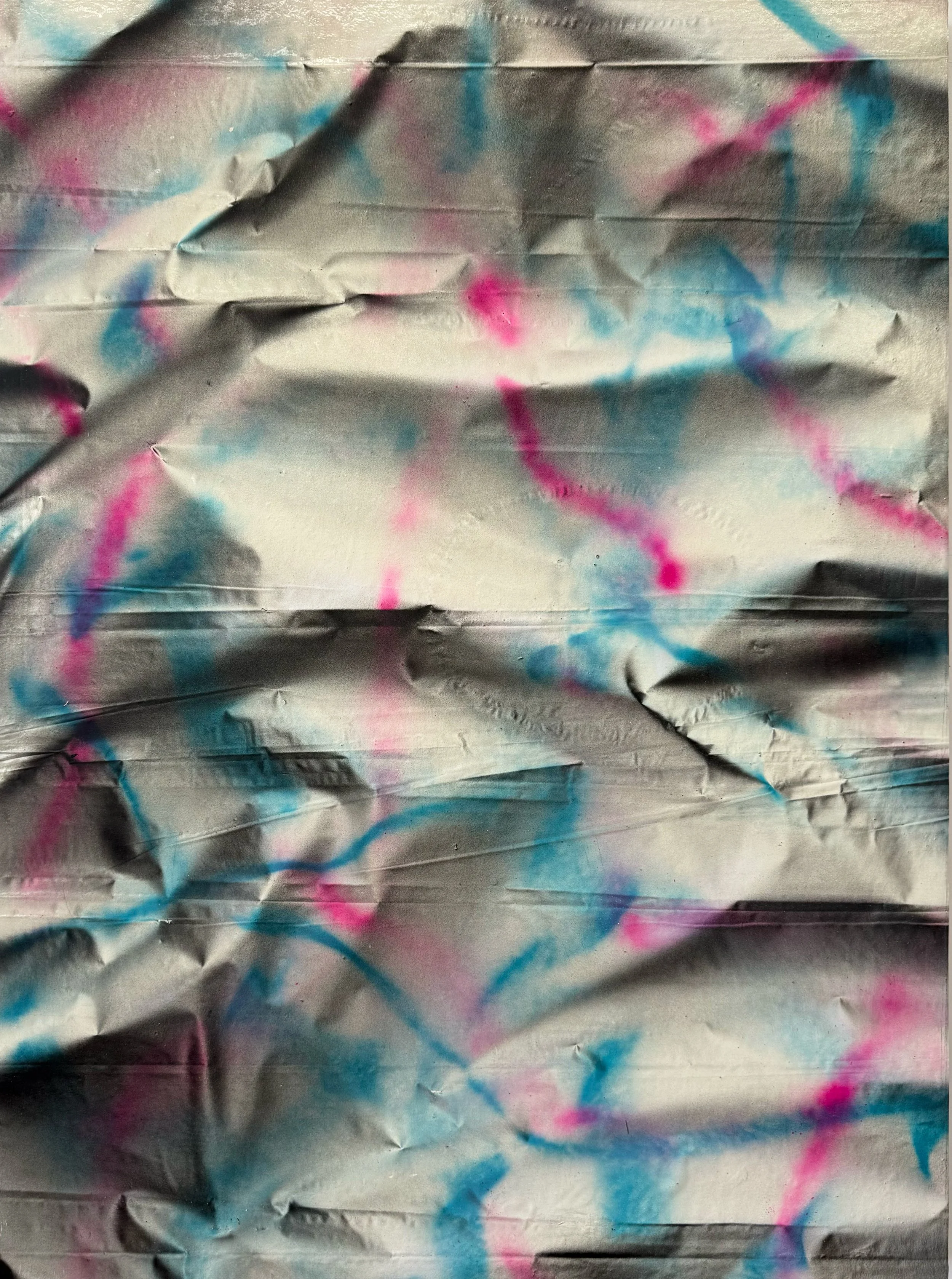
Skin XLVIII
Acrylic paint, oil and spray on Linen
122 x 91.5 cm / 48 x 36 inches
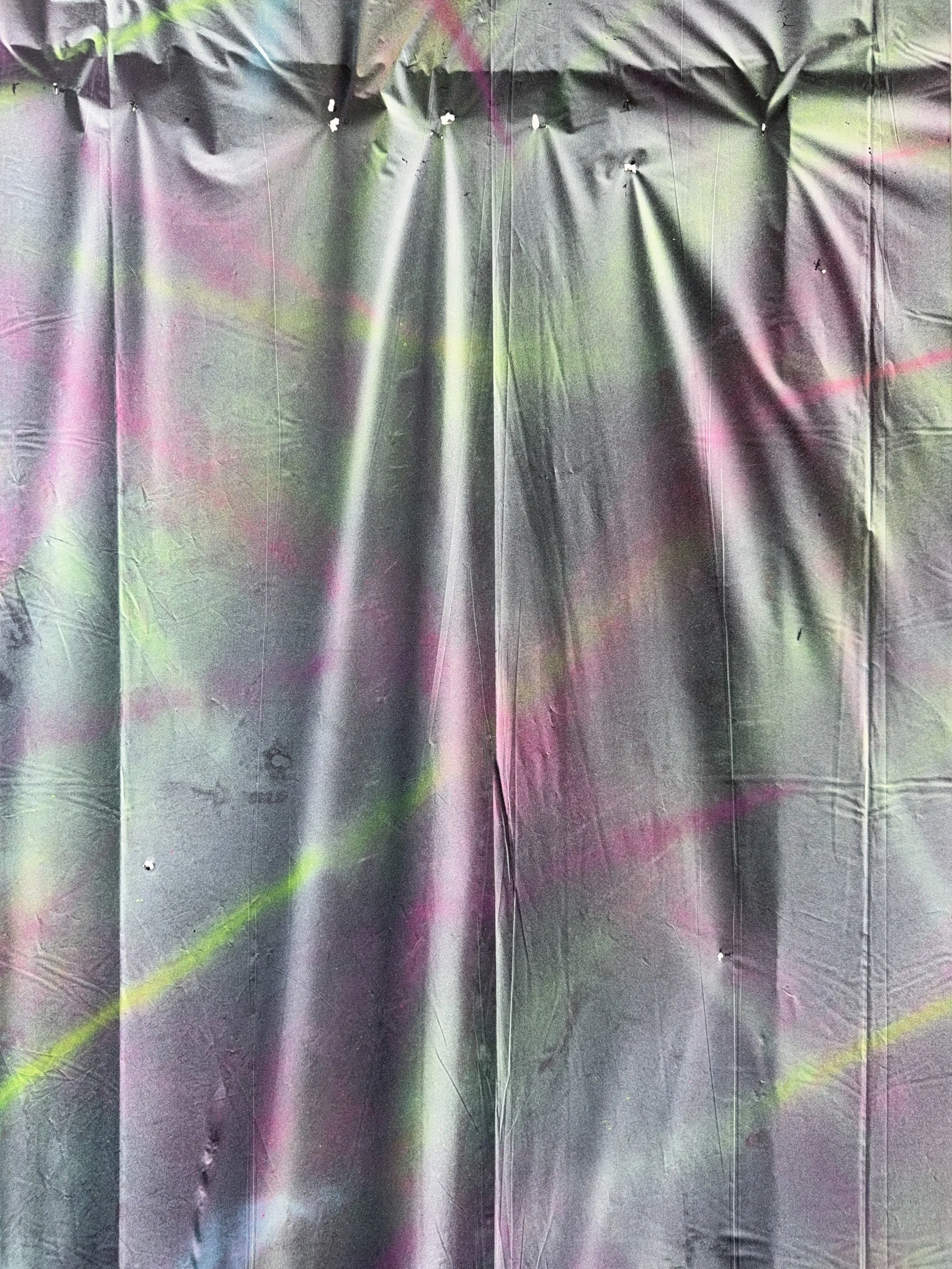
Skin XXIX
Acrylic paint and spray on canvas
122 x 91 cm. / 48 x 36 Inches.
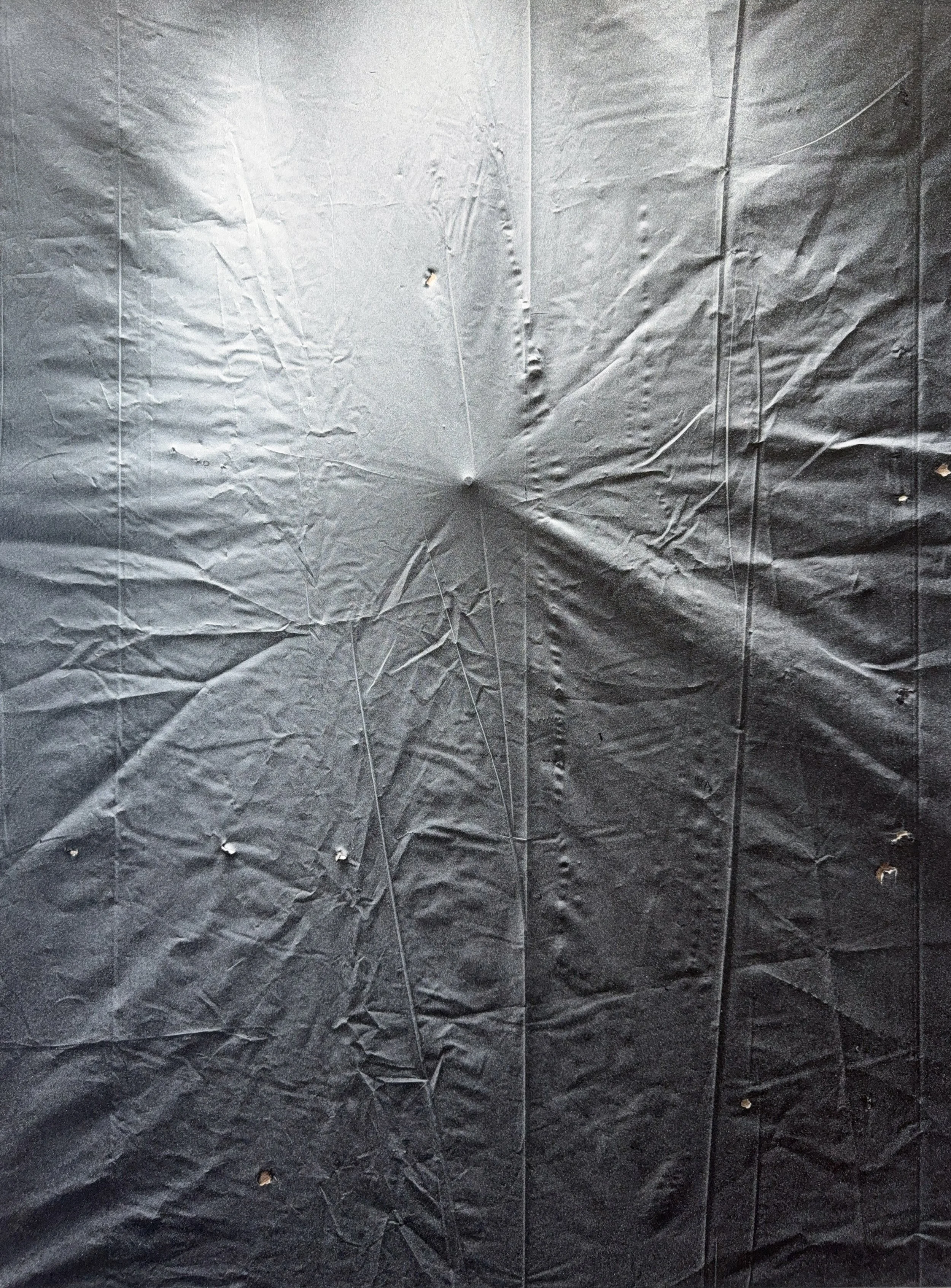
Skin XXXVIII
Acrylic paint and spray on canvas
122 x 91 cm. / 48 x 36 Inches.
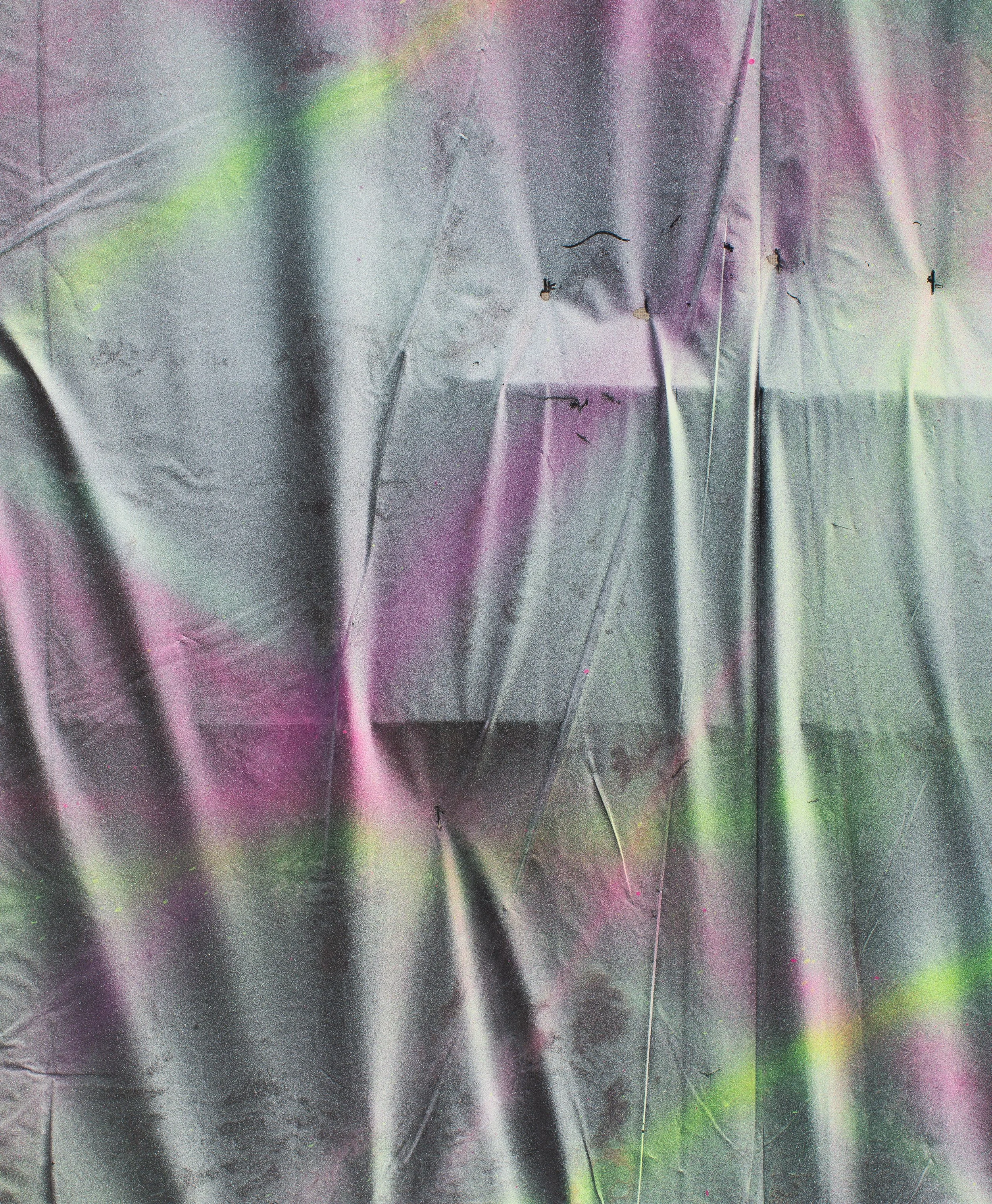
Skin XXXIV
Acrylic paint and spray on canvas
61 x 51 cm. / 24 x 20 Inches.
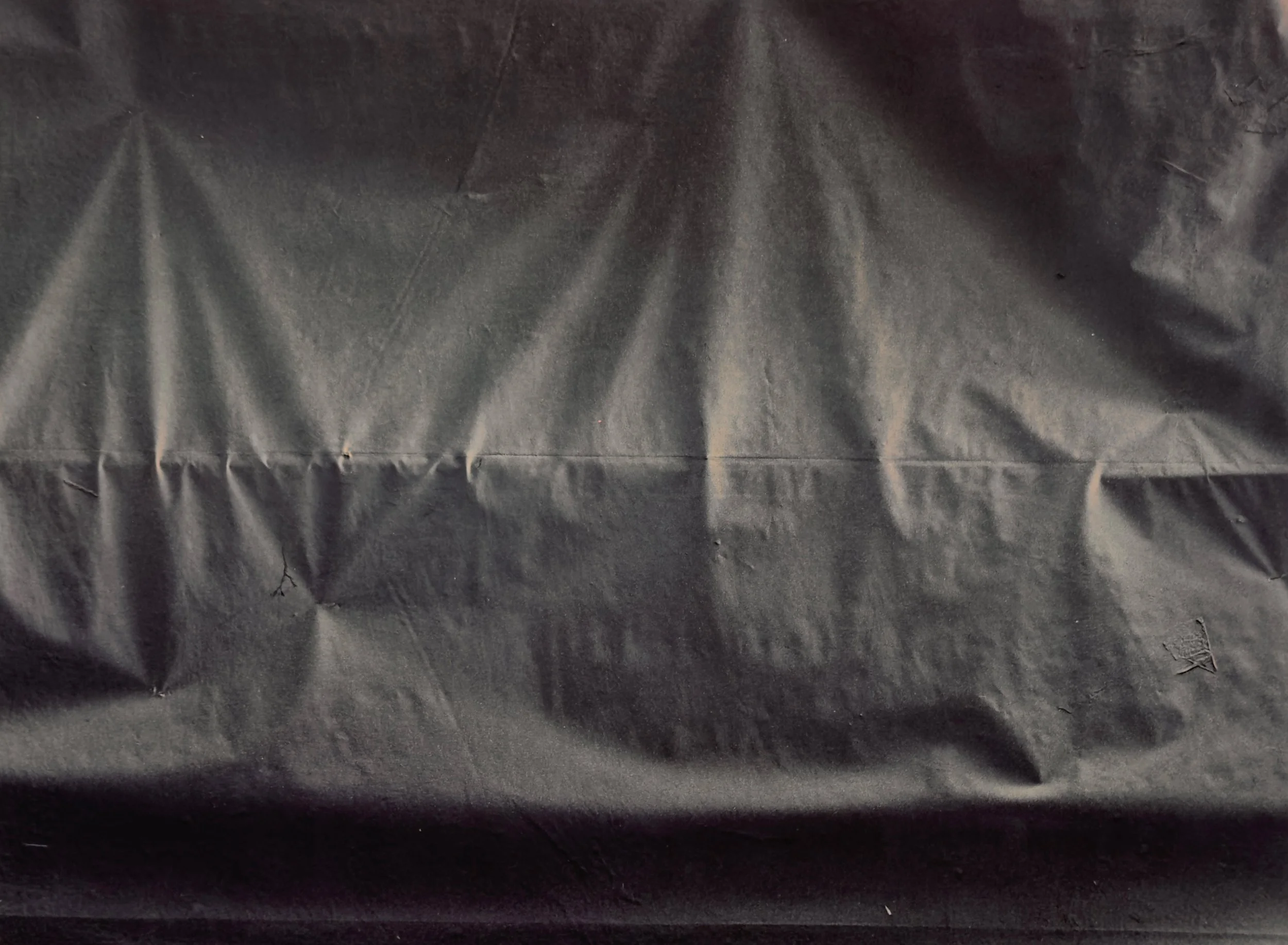
Skin XLV
Acrylic paint and spray on linen
101,5 x 76 cm / 40 x 30 inches
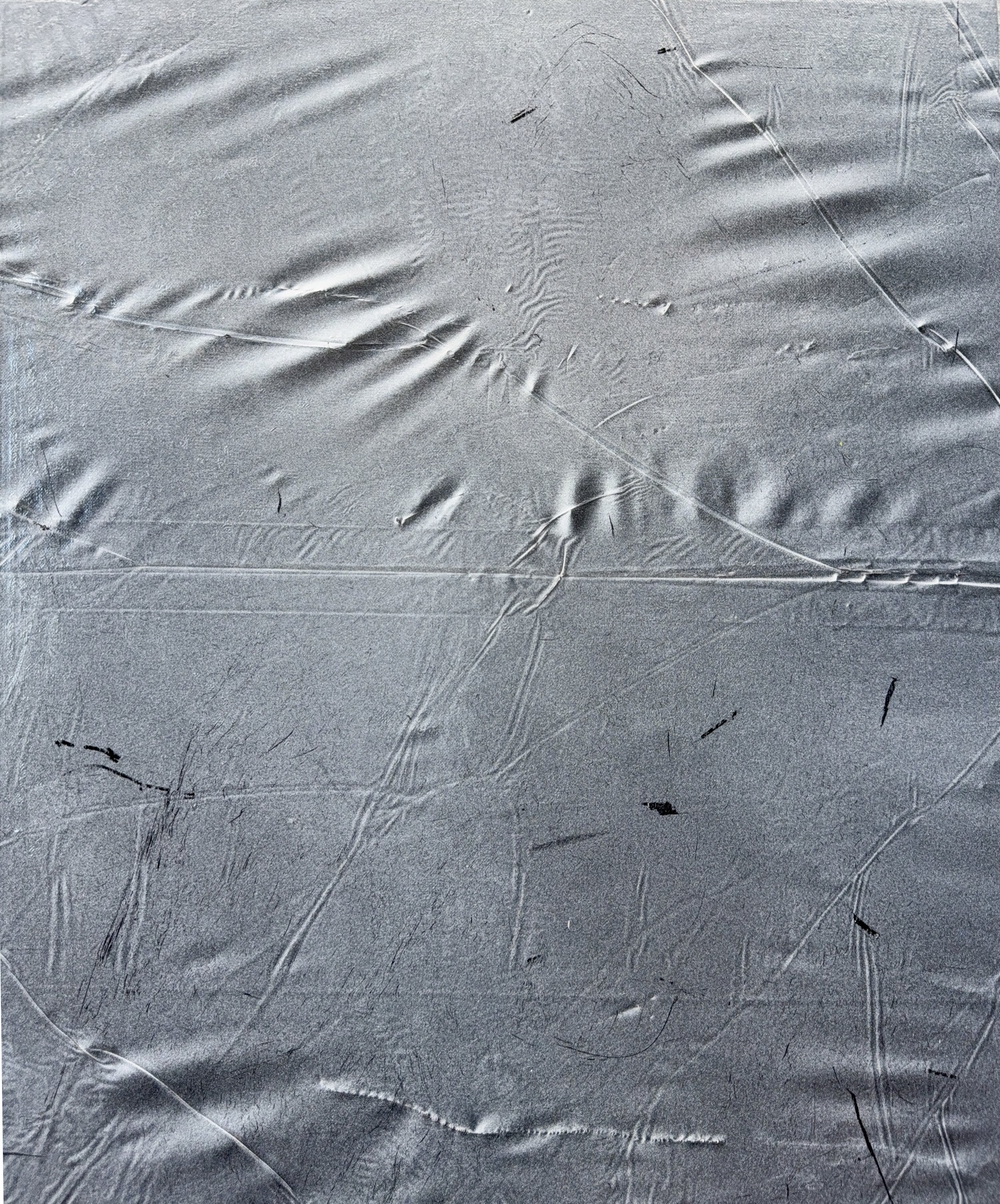
Skin XXXIII
Acrylic paint and spray on canvas
61 x 51 cm. / 24 x 20 Inches.
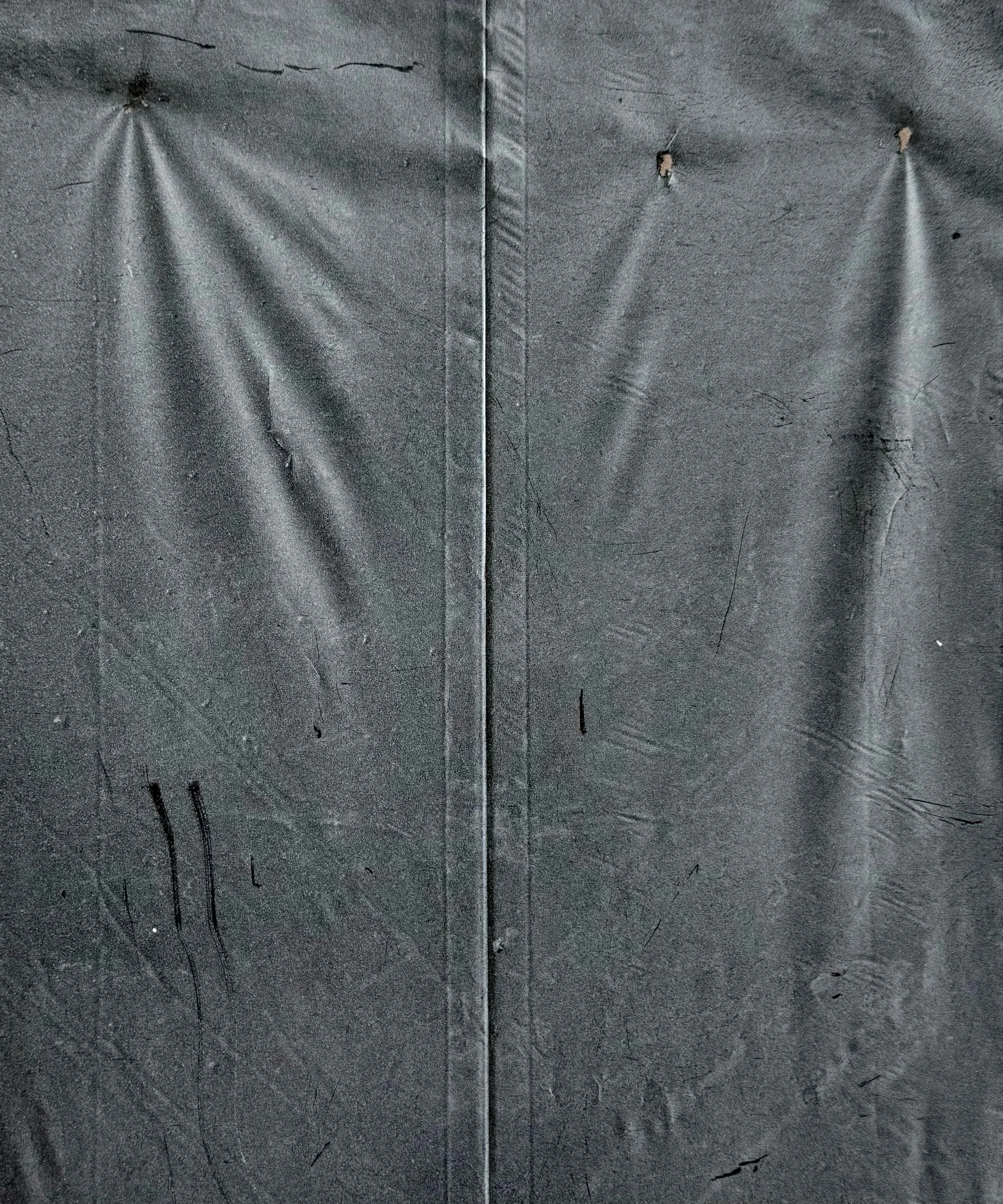
Skin XXXVII
Acrylic paint and spray on canvas
61 x 51 cm. / 24 x 20 Inches.
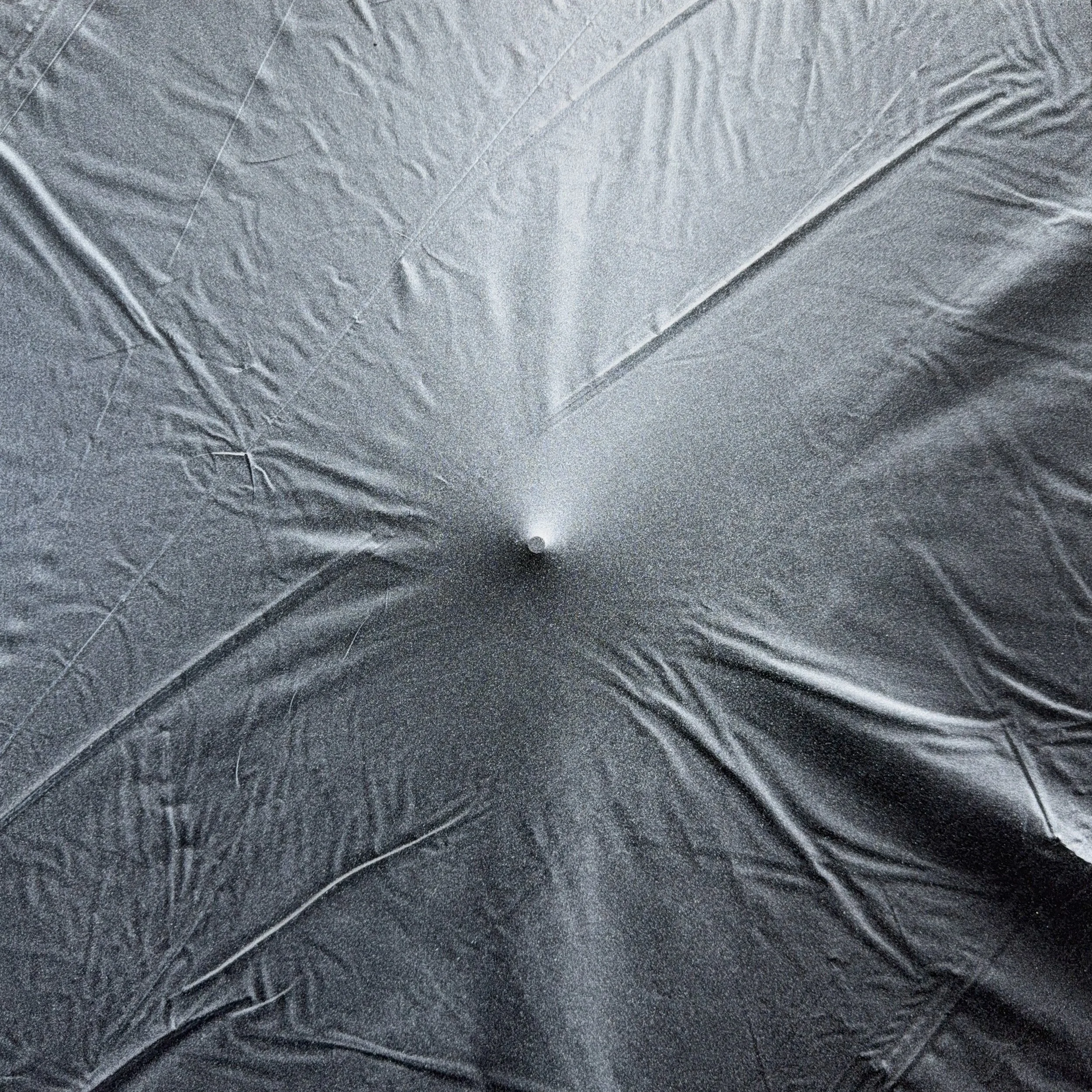
Skin XXXVI
Acrylic paint and spray on canvas
51 x 51 cm. / 20 x 20 Inches.
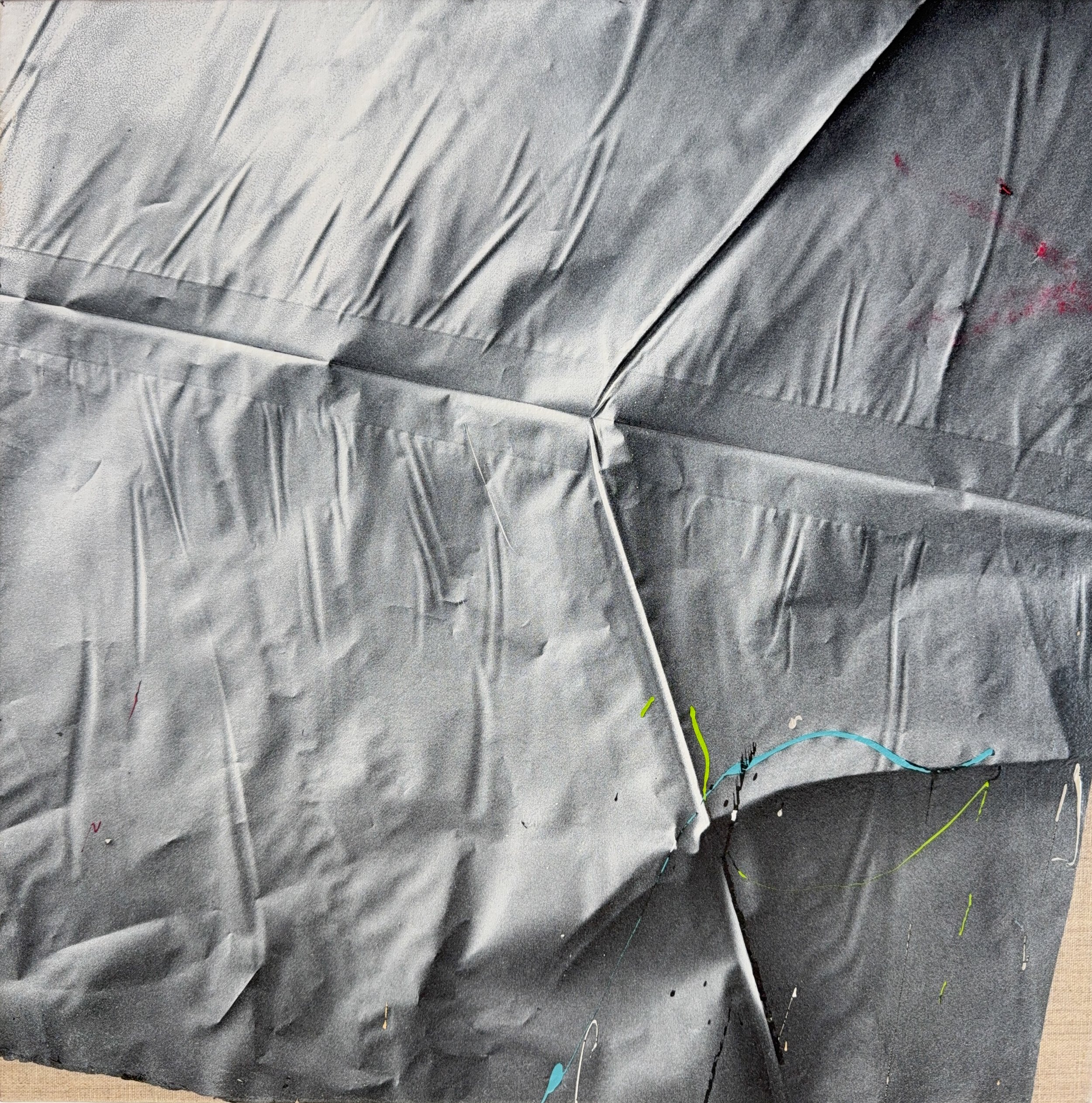
Skin XXXII
Acrylic paint and spray on canvas
51 x 51 cm. / 20 x 20 Inches.
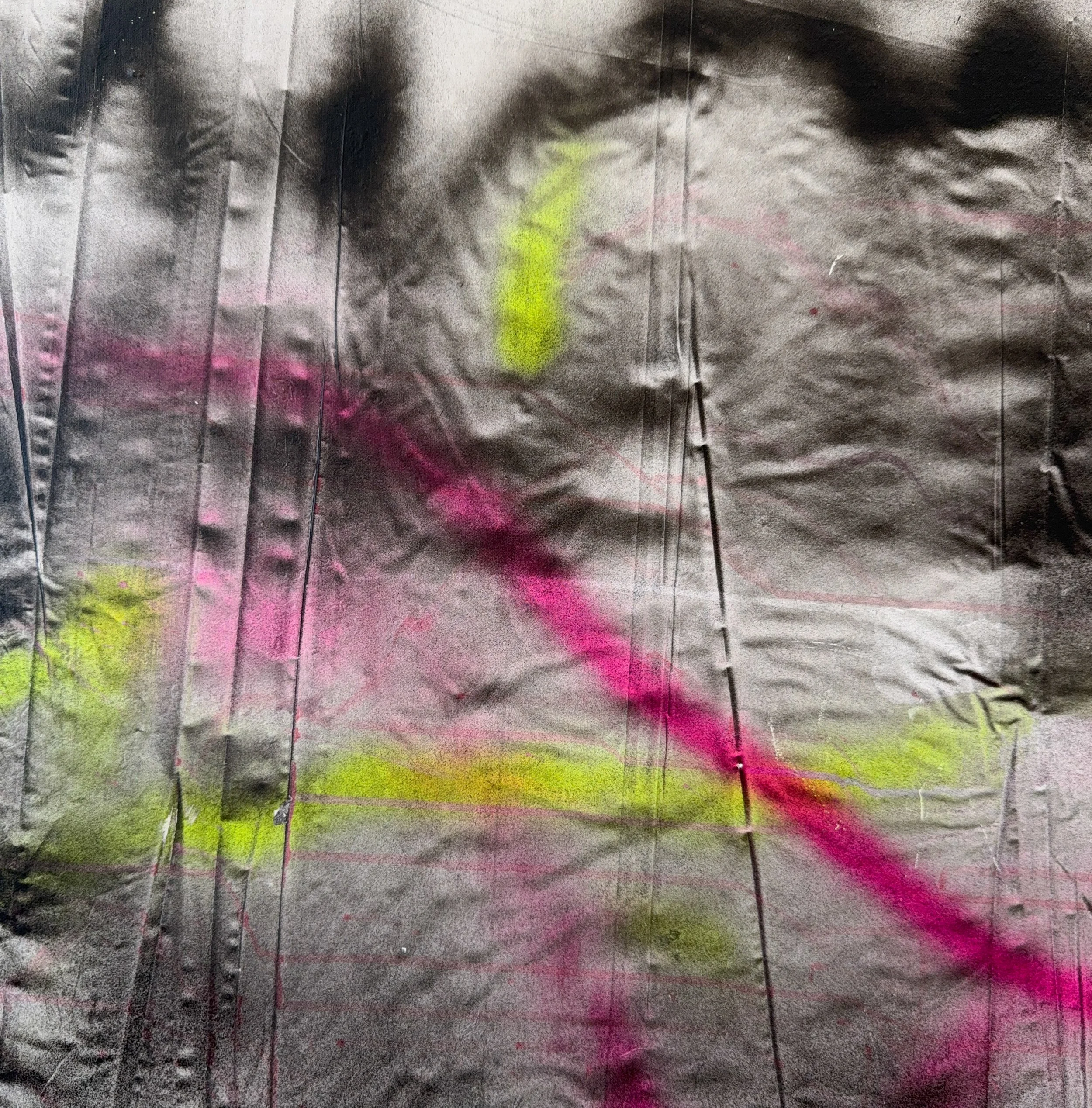
Skin XXXI
Acrylic paint and spray on canvas
51 x 51 cm. / 20 x 20 Inches.
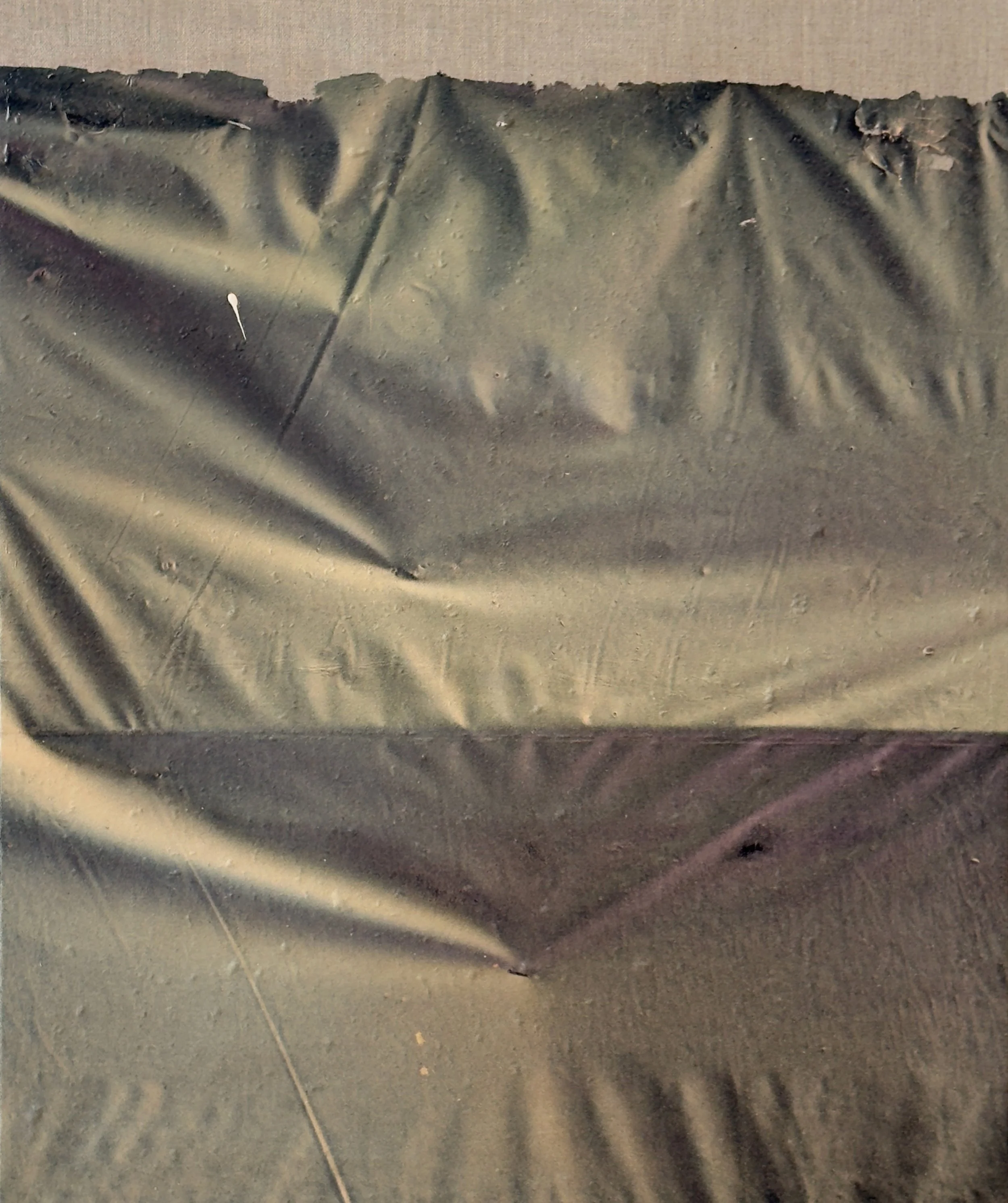
Skin XL
Acrylic paint and spray on linen
61 x 51 cm. / 24 x 20 Inches.
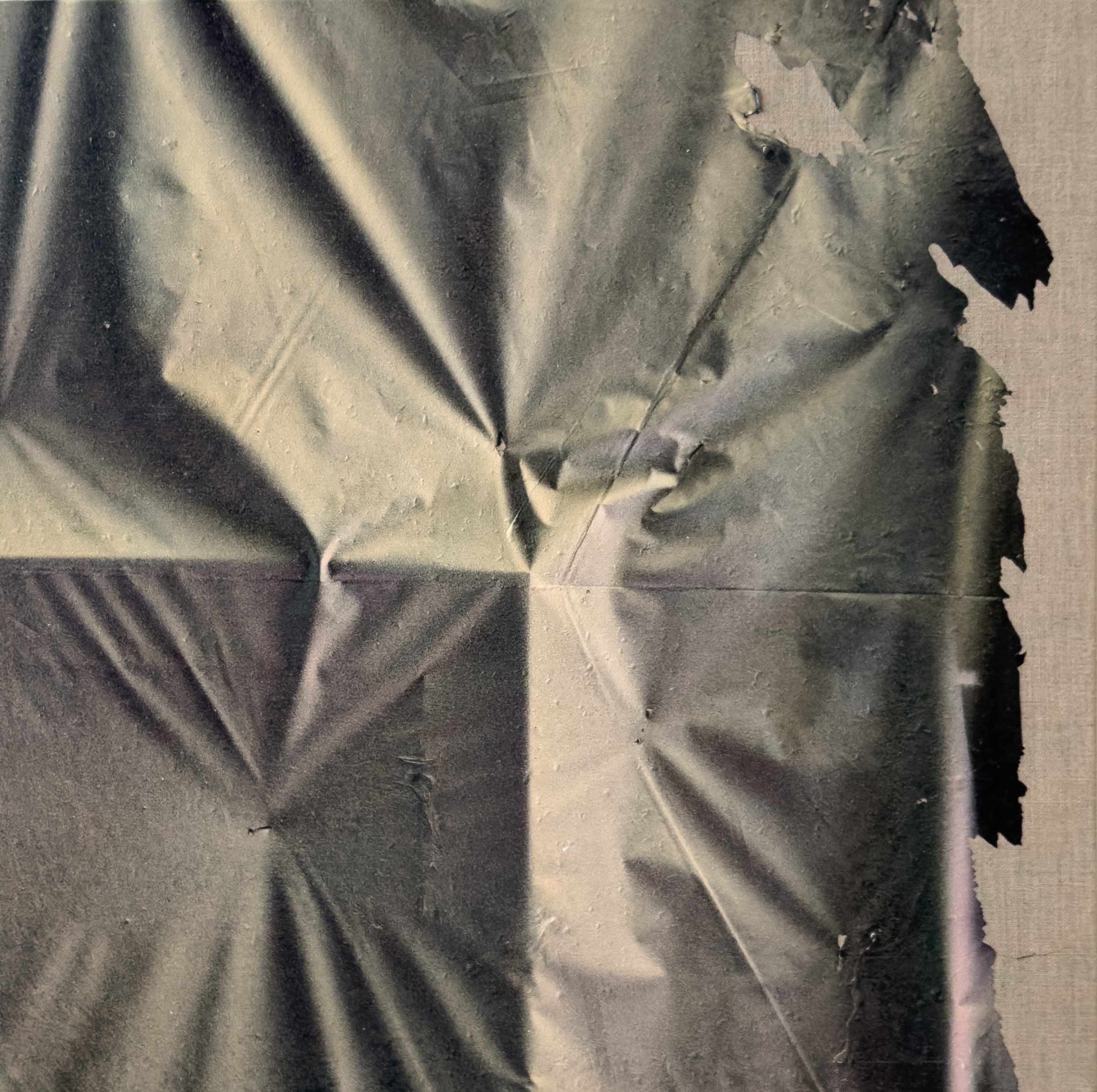
Skin XLI
Acrylic paint and spray on canvas
51 x 51 cm. / 20 x 20 Inches.
Skins II Series
The Skins II series emerges from an interest in exploring a form of painting in which matter, time, and action are no longer understood as separate elements. The process does not disappear once the work is finished; instead, it remains embedded in its physical structure and continues to unfold through the viewer's experience. Rather than communicating a narrative or a specific experience, these works seek to make perceptible how every transformation continues to exist within that which has been transformed, the enduring presence of an action.
Skins II takes its name from the acrylic paint skins I create on the plastic sheeting that covers the walls of my studio and later peel away to transfer onto the final canvas. Unlike the finished support, the plastic plays an active role in the making of each work. It is stretched, folded, compressed, and repeatedly manipulated until its tensions, wrinkles, perforations, and traces of use become embedded in the paint skin itself. Once removed and adhered to the canvas, these surfaces cease to function as temporary supports and instead become the physical body of the work.
Rather than approaching painting as a narrative or expressive medium, I am interested in it as a material capable of retaining the presence of the forces that have shaped it. The folds do not represent a gesture; they continue to embody the tension that produced them. Likewise, the wrinkles, scratches, perforations, and accumulated paint residues are not intended to function as images of past actions, but as physical manifestations of processes that remain active within the material itself. Painting no longer records what happens on its surface; it becomes the material consequence of those actions.
Each work proposes an experience in which the process is not perceived as something completed, but as a condition that continues to exist in the present. The surfaces reveal the traces of stretching, pressure, wear, and gravity without turning them into representations. What we encounter is not the image of an event, but the physical persistence of the transformations that made it possible.
Memory raises a question that is rarely asked with precision: does it truly preserve the past, or does it generate, in every moment, the present experience of a past? From this perspective, the past neither persists nor is reconstructed, because it never appears outside the present moment. Only the act of remembering exists. Memory does not carry the past into the present; it is a phenomenon that arises within consciousness and, in doing so, sustains the sense of continuity upon which we construct our identity.